
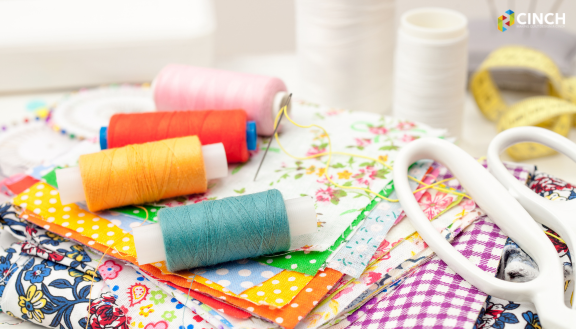
Mastering essential sewing techniques is vital for quilters striving to improve their craft. Whether you’re a novice or an experienced quilter, refining these skills can significantly enhance the quality and enjoyment of your projects. This article will explore fundamental and advanced techniques, offering insights to help you create beautiful, high-quality quilts. Additionally, we’ll discuss how a quilt design software can support and elevate your quilting experience.
Your imagination is a playground of infinite possibilities; let curiosity be your guide.
Fundamental Techniques
Understanding and refining these basics will significantly enhance the quality of your quilts and make the quilting journey more enjoyable. Whether you’re just starting out or looking to improve your skills, these fundamental techniques are the key to achieving professional results.

Accurate Cutting
Achieving precise cuts is the cornerstone of any successful quilt. Accurate cutting ensures that pieces fit together seamlessly, resulting in a polished and professional finish. Investing in quality tools like a rotary cutter, cutting mat, and clear rulers is essential. Sharp tools not only make cutting easier but also help maintain accuracy. Regularly replacing blades and keeping your cutting mat clean will ensure optimal performance.
To achieve perfect cuts, use the right angles and measurements, and ensure your fabric is properly aligned. Prevent shifting by pressing down firmly on your ruler and using a non-slip mat. These practices will help you achieve consistent, precise cuts, forming the foundation of a flawless quilt.
Piecing
Piecing is the art of joining fabric pieces together to form quilt blocks. Mastering this technique is crucial for creating quilts that are visually appealing and structurally sound. Maintaining a consistent seam allowance is vital for accurate piecing. A common training technique that quilters use to perfect their 1/4″ seam allowance involves sewing several 2-inch squares together. This exercise focuses on maintaining the 1/4″ seam allowance, which is key to achieving the proper finished width.
For example, if you start with four 2-inch squares, the initial total width would be 8 inches (2 inches × 4 squares). Sewing these squares together requires three seams, each reducing the total width by 1/2 inch (1/4 inch on each side of the seam). The expected final width should be 6.5 inches (8 inches – 1.5 inches). By practicing this technique, quilters can ensure their seam allowances are accurate, leading to perfectly sized blocks.
Using a quarter-inch foot on your sewing machine can help achieve this precision. Additionally, chain piecing—where multiple pieces are sewn in a continuous chain—can save time and improve accuracy. Pinning your pieces before sewing also helps to align seams perfectly, further contributing to a polished and professional finish in your quilts.
Pressing
Pressing, as opposed to ironing, is a technique that sets seams without distorting fabric. Proper pressing techniques contribute to the overall neatness and accuracy of your quilt blocks. Use the correct temperature settings for your fabric and avoid stretching or distorting the fabric while pressing. Decide whether to press seams open or to one side based on your project’s needs. Proper pressing ensures flat, crisp seams, enhancing the quilt’s appearance and durability.
Quilting
Quilting is the process of stitching the quilt top, batting, and backing together. This technique not only holds the quilt together but also adds texture and design elements. Depending on your preference and the scope of your project, you can choose between hand quilting and machine quilting. Selecting an appropriate quilting pattern that complements your quilt’s design is crucial for achieving a cohesive look.
If managing the entire quilting process feels overwhelming or if you’re working on a particularly large quilt, consider having a professional handle the quilting for you. Many quilters opt to create the quilt top themselves and then enlist the services of a professional quilter with a long-arm quilting machine to finish the project. This option is often more cost-effective because you’ve already completed the most labor-intensive part—the quilt top. Professionals can quickly and efficiently quilt the layers together, often at a lower cost than doing it entirely by hand or on a standard sewing machine. For large quilts, this approach also helps manage the bulk more effectively, ensuring smooth and even stitching throughout the entire piece.

Advanced Techniques
For quilters looking to elevate their craft, exploring advanced techniques can add complexity, creativity, and a unique touch to their projects. These methods go beyond the basics, allowing for intricate designs and personalized elements that set quilts apart.
- Appliqué – Appliqué involves stitching fabric shapes onto a larger piece of fabric, adding depth and detail to your quilt. Choose suitable fabrics and stabilizers to ensure smooth and accurate appliqué. Techniques such as hand, machine, and fused appliqué each offer unique benefits. Experiment with these methods to find what works best for your project. Appliqué allows you to incorporate intricate designs and personal touches into your quilts.
- Foundation Paper Piecing – This is a technique that uses a paper template to achieve precise, intricate designs. Start by selecting the right paper and tools. Follow a step-by-step process, sewing fabric pieces directly onto the paper template. This method ensures accuracy and allows for complex designs that might be challenging with traditional piecing. Carefully remove the paper once the block is complete to avoid distorting seams.
- Free-Motion Quilting – Free-motion quilting offers creative freedom, allowing you to stitch intricate and unique designs. Set up your machine with the appropriate free-motion quilting foot and lower the feed dogs. Begin with basic designs, practicing to develop your skills and build confidence. Over time, you can create more complex patterns that add texture and interest to your quilts.
Online tools, such as CINCHQuilt’s software for designing quilts, makes project planning a breeze. This online quilt design tool offers features that help quilters visualize different techniques and patterns before starting their projects. Explore various pattern options and color schemes to ensure design cohesion. The software allows you to experiment with different techniques, helping you visualize the final product and make informed decisions about your quilt’s design.

Precision is critical in quilting, and CINCHQuilt’s quilt computer software aids in achieving it. This best quilt design software helps quilters create precise templates and cutting guides. Digital planning streamlines the quilting process, reducing errors and fabric waste. By using this quilt design tool, quilters can focus more on the creative aspects of their projects and less on technical challenges, making the quilting experience more enjoyable. The software reduces frustration by ensuring precise planning and execution, allowing quilters to concentrate on creativity and design. With this quilt design software, the quilting process becomes more efficient and enjoyable, complementing and elevating your quilting skills.
Mastering essential sewing techniques is key to creating beautiful, high-quality quilts. By refining skills in accurate cutting, piecing, pressing, and quilting, quilters can achieve professional results. Exploring advanced techniques like appliqué, foundation paper piecing, and free-motion quilting adds complexity and creativity to projects. Various quilt design tool supports quilters in mastering these techniques, enhancing precision and efficiency, and making the quilting process more enjoyable. Practice and dedication will empower you to create stunning quilts with confidence. Share your experiences and techniques in the comments below and continue your quilting journey with newfound skills and inspiration.


Leave a Reply