
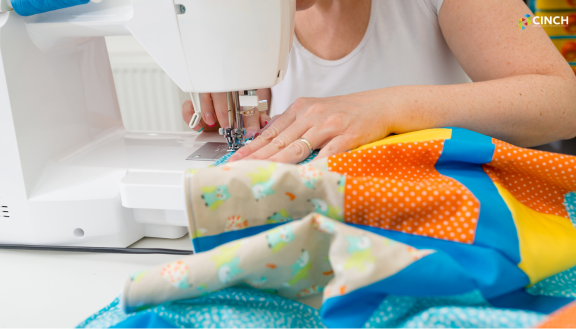
Quilting is more than just piecing fabric together—it’s a creative journey that blends art, design, and craftsmanship. For beginners, the process can feel overwhelming at first, but with the right guidance, quilting becomes an enjoyable and rewarding experience. Whether you’re drawn to quilting as a relaxing hobby or a way to express your creativity, this step-by-step guide will help you get started with confidence.
Your creative potential is limitless; take bold steps forward and make it happen.
From gathering your tools to designing your first quilt block layout, we’ll walk you through each stage, simplifying the process and ensuring your quilting adventure is fun and fulfilling. You don’t need prior experience to begin—just patience, practice, and a willingness to learn. By the end, you’ll not only have a finished project but also the knowledge to keep exploring this timeless craft.

Gathering Your Tools and Materials
Before you can create your first quilt, you need to equip yourself with the right tools. Having quality materials ensures that the process is smoother and more enjoyable.
Essential Tools for Quilting
A few must-haves include:
- Rotary Cutter and Quilting Ruler – These help you achieve precise cuts, a critical step in creating accurate quilt blocks.
- Self-Healing Cutting Mat – Protects surfaces while giving you a reliable base for cutting fabric.
- Sewing Machine and Thread – While hand quilting is an option, a sewing machine speeds up the process significantly.
- Pins, Fabric Clips, and Seam Ripper – Essential for holding pieces together and fixing mistakes as you go.
Choosing Fabrics and Materials
For your first project, stick to cotton fabrics, which are beginner-friendly due to their durability and ease of handling. Pair this with batting and backing to complete your quilt sandwich. A simple quilt design software or quilt block layout program can help you visualize fabric choices before cutting.
Selecting a Beginner-Friendly Pattern
Choosing the right pattern makes all the difference when starting out. Beginner-friendly designs minimize frustration and help you build essential skills.
What Makes a Pattern Suitable for Beginners?
- Simple Shapes – Patterns using squares, strips, or rectangles are easier to assemble.
- Clear Instructions – Look for patterns with straightforward directions and illustrations.
Start small with projects like a patchwork quilt, table runner, or baby blanket. If you’re tech-savvy, a quilt layout tool or digital quilting design program can help you explore patterns and colors before cutting into your fabric.
Preparing and Cutting Fabric
Proper preparation ensures that your quilt pieces align perfectly, leading to a polished final product.
Washing and Pressing Fabric
Pre-wash your fabric to prevent shrinking after the quilt is finished. Press it flat using an iron to remove wrinkles, which can distort your cuts.
Cutting Fabric with Precision
Use your rotary cutter, ruler, and cutting mat to create clean edges. To save time, stack fabric layers and cut them together. Don’t skip this step—precise cutting ensures your quilt blocks fit together seamlessly, a must for creating cohesive quilt designs.
Sewing and Assembling Quilt Blocks
The magic begins when you start piecing your fabric together. This step transforms individual pieces into something beautiful. Create a comfortable, well-lit area for sewing. Test your sewing machine settings on scrap fabric to ensure consistent stitching. Join your fabric pieces using a 1/4-inch seam allowance, a standard in quilting. Press seams open or to one side, depending on your pattern, to reduce bulk and ensure accuracy.
Finishing Your Quilt
Once your quilt top is assembled, it’s time to layer, quilt, and bind your masterpiece.
- Layering Your Quilt – Sandwich your quilt top, batting, and backing. Secure the layers with pins or basting spray to keep them in place during quilting.
- Quilting Your Layers – Use simple quilting techniques like straight-line stitching to hold the layers together. Advanced quilt design software can inspire unique patterns for more intricate designs once you’re ready to explore.
- Binding Your Quilt – Finish by attaching a binding to the edges. You can sew it by hand for a traditional look or use a sewing machine for efficiency.

Tutorial: A Simple Patchwork Table Runner
Practice your new skills with this easy project.
Materials Needed
- Pre-cut fabric squares (5”x5”).
- Batting and backing fabric.
- Basic tools like pins, rotary cutters, and sewing machines.
Instructions
- Arrange your squares into rows and sew them together.
- Press seams and assemble the quilt sandwich.
- Quilt using straight-line stitching and bind the edges.
This small project is perfect for practicing your technique and experimenting with fabric combinations. You can even use a quilt layout software to test out color arrangements before you begin.
Troubleshooting Common Beginner Challenges
Quilting comes with a learning curve, but don’t be discouraged. Here’s how to overcome some common hurdles:
- Uneven Seams – Double-check your seam allowance and consider using a quilting foot to maintain consistency.
- Misaligned Fabric Pieces – Take your time during cutting and piecing. Small adjustments, like pinning carefully, can make a big difference.
- Wrinkles or Puckering – Press your fabric often and baste securely before quilting.

Tips for Choosing Fabric Colors and Patterns
Selecting fabrics can be one of the most enjoyable parts of quilting. If you’re unsure where to start, consider these tips:
- Use a simple color wheel to identify complementary or monochromatic schemes.
- Pre-designed bundles or charm packs make choosing fabric combinations effortless.
- For inspiration, browse quilt design software to visualize how different fabrics will look together.
Your determination today shapes the success of tomorrow.
Quilting is a skill that grows with time. Each project teaches you something new, from mastering a tool to perfecting your seams. Celebrate small victories, and remember that mistakes are part of the process. Whether you’re designing quilts digitally or stitching them by hand, the joy lies in creating something uniquely yours.
Starting your quilting journey doesn’t have to be intimidating. With the right tools, a beginner-friendly pattern, and step-by-step guidance, you’ll be well on your way to completing your first quilt. Whether you use quilt layout software to experiment with designs or dive in with simple patchwork, quilting offers endless opportunities for creativity and self-expression.
Take your time, enjoy the process, and share your progress with fellow quilters. Your first quilt is just the beginning of an exciting new hobby!


Leave a Reply