
Every stroke of your creativity paints a brighter tomorrow.
Quilting is more than just sewing pieces of fabric together; it’s a creative journey where simple beginnings can lead to stunning, intricate masterpieces. For many quilters, the path to complex quilt designs begins with understanding foundational quilt blocks. These basic designs are essential for developing core skills and building confidence to tackle more advanced patterns. Whether you’re just starting or looking to elevate your craft, this guide will help you progress from basic block designs to intricate, modern quilt patterns.

The Importance of Foundational Quilt Blocks
Foundational quilt blocks like the nine-patch or log cabin are more than just simple designs; they’re the building blocks of quilting. These patterns teach fundamental techniques such as precise cutting, accurate piecing, and careful assembly. By mastering these essential skills, quilters gain the confidence needed to explore more ambitious designs.
Working with basic blocks introduces quilters to concepts like symmetry, alignment, and seam allowances. These principles are vital when transitioning to more complex patterns, where precision becomes even more critical. As you repeat these foundational patterns, you’ll develop a strong grasp of quilting techniques, making advanced designs feel more approachable.
Understanding Pattern Progression
Pattern progression is key to growing as a quilter. It starts with understanding how simple blocks can be transformed into more elaborate designs. For example:
- Nine-Patch Quilts – Can evolve into variations like the disappearing nine-patch, which uses strategic cuts and rearrangements to create dynamic, unexpected layouts.
- Log Cabin Blocks – Can take on new life with creative twists, such as courthouse steps or spiral log cabins.
As you grow more comfortable with foundational blocks, experiment with new layouts, fabric textures, and color schemes. Combining these elements can transform a simple quilt into a personalized work of art, giving you the freedom to explore your unique style.

Advancing Your Quilt Design Skills
Taking your quilting to the next level requires more than just mastering basic blocks—it’s about experimenting, refining techniques, and pushing creative boundaries. As you progress, exploring new layouts, color combinations, and blending patterns will help you craft designs that are not only visually stunning but also uniquely yours.
Step 1: Experimenting with Layouts
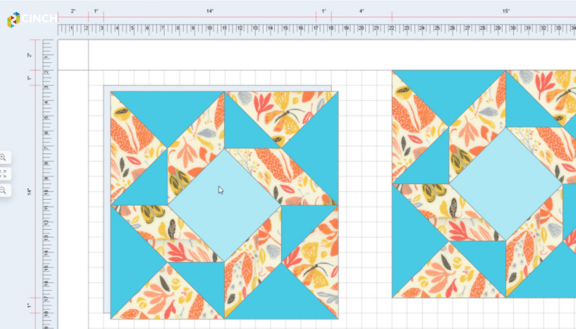
Changing the arrangement of quilt blocks can dramatically alter the final design. Tools like graph paper or a quilt design tool can help you visualize layouts before you begin sewing. Experimenting with different arrangements allows you to see how patterns interact and ensures a cohesive final product.
Step 2: Exploring Color Choices
Color plays a critical role in quilting. Learning the basics of color theory can help you select fabrics that create depth, contrast, or harmony. Predefined color palettes in quilt drafting software can be invaluable for quilters seeking inspiration or struggling with color selection.
Step 3: Combining Patterns for a Unique Look
Blending multiple quilt patterns can result in eye-catching designs. For instance, pairing log cabin blocks with star motifs can add complexity and visual interest. The key is to balance variety with unity, ensuring that the patterns work together seamlessly.
Tools and Techniques for Tackling Complex Designs
As patterns become more intricate, the right tools can make all the difference. Specialized rulers, templates, and rotary cutters ensure accurate cutting and consistent piecing. A reliable quilt block design software streamlines the planning process, letting you draft and adjust designs before committing to fabric.
Careful planning is essential for advanced quilting projects. Begin by sketching your design or using a quilt drafting software to map out your vision. Test small sections of your quilt before completing the entire piece to identify any potential issues with alignment or symmetry.

Overcoming Challenges in Advanced Quilting
Even the most seasoned quilters encounter hurdles when tackling complex patterns. Here’s how to address some common challenges and keep your quilting journey on track:
- Stay Organized with Multiple Fabric Pieces – Label each fabric piece and sort them by size or color. Use storage bins or zip-top bags to keep everything in order and within reach.
- Maintain Symmetry and Alignment – Ensure consistent seam allowances by using a quarter-inch sewing foot. Pin or clip fabrics before sewing to prevent shifting during stitching. Press seams after each step to achieve crisp, professional results.
- Simplify Intricate Stitching – Practice complex stitches on scrap fabric to perfect your technique. Use tools like a walking foot or free-motion quilting attachments for better control. Work in small sections to maintain accuracy and avoid overwhelming yourself.
- Manage Large Projects Efficiently – Break your quilt into smaller, manageable sections and assemble them gradually. Invest in a sturdy work surface and ergonomic tools to reduce strain during long sessions.
- Handle Color and Pattern Overload – Stick to a cohesive color palette and balance busy patterns with solids. Use quilting design software to visualize the final layout and make adjustments before sewing.
By addressing these challenges head-on, you’ll build confidence and refine your skills, making complex quilting projects not only achievable but deeply rewarding.
Finding Inspiration and Guidance
Inspiration can come from both traditional and modern quilt patterns. Historical designs often highlight timeless techniques, while contemporary quilts showcase innovative ideas and bold color choices. Studying these patterns can help you develop a unique style.
Quilting groups, online forums, and workshops offer a wealth of knowledge and support. Connecting with other quilters provides opportunities to exchange ideas, seek advice, and stay motivated. Many quilters also share their expertise through classes or video tutorials, making it easy to learn from experienced creators.
Your strengths are the keys that unlock the doors to your dreams; believe in yourself and the world will follow suit.

Personalizing Complex Quilt Patterns
One of the joys of quilting is personalizing patterns to reflect your style. Modify sizes, colors, or layouts to make a design truly your own. A quilt design tool can help you experiment with these changes, ensuring the final product aligns with your vision.
Add unique touches to your quilts by incorporating applique, embroidery, or mixed-media elements. These details can turn even the most intricate patterns into deeply personal works of art. Let your creativity shine through every stitch.
The journey from simple quilt blocks to complex creations is both challenging and rewarding. By starting with foundational patterns and gradually building your skills, you can master even the most intricate designs. Some helpful tools make planning and execution more accessible, empowering you to bring your vision to life.
With patience, practice, and a willingness to experiment, you can create quilts that are not only functional but also beautiful reflections of your creativity. So, pick up your tools, explore new patterns, and let your quilting journey take you to inspiring new heights.


Leave a Reply